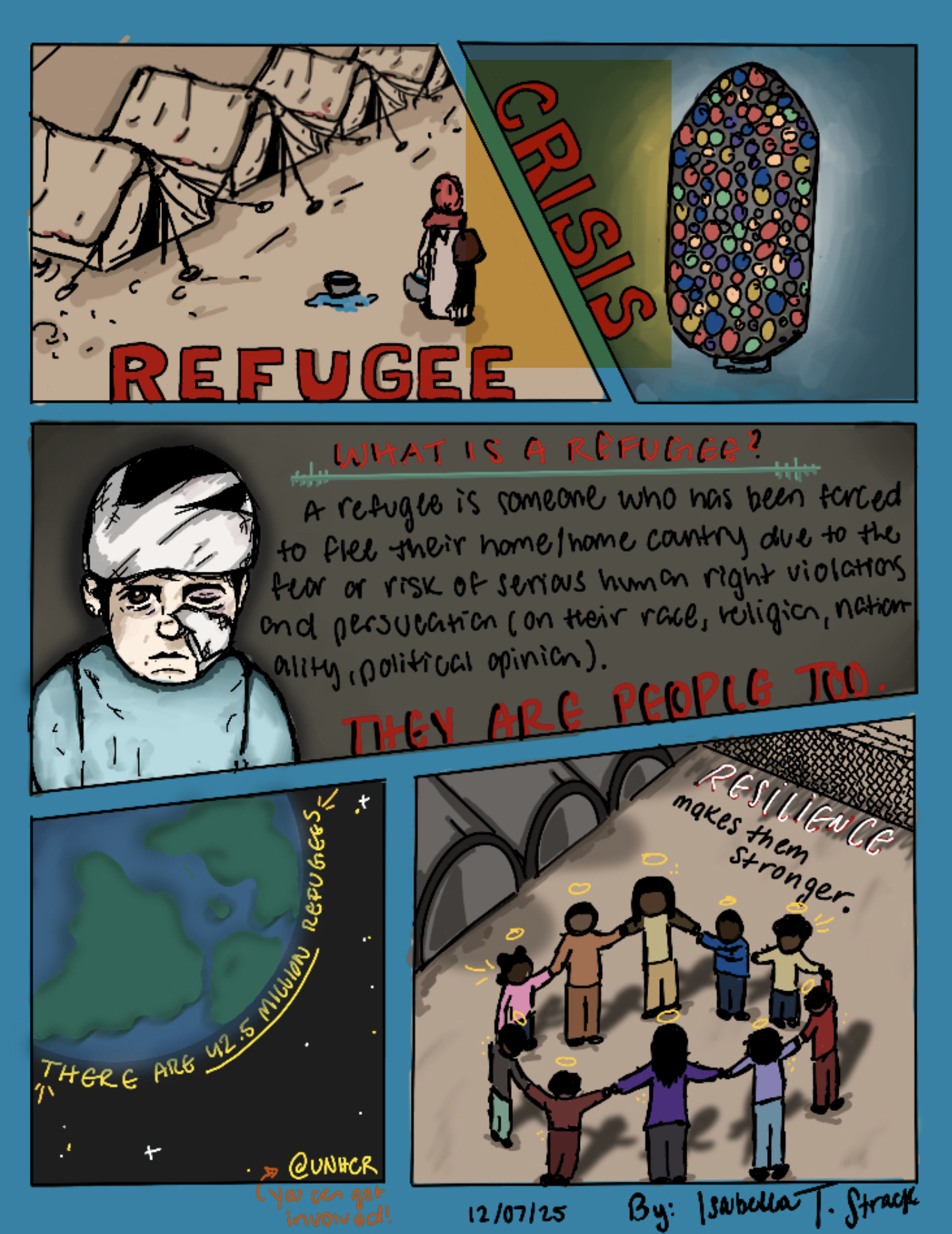
Refugee Crisis & Social Sustainability
An anthropological perspective on displacement, resilience, and equitable urban integration through biocultural adaptation.
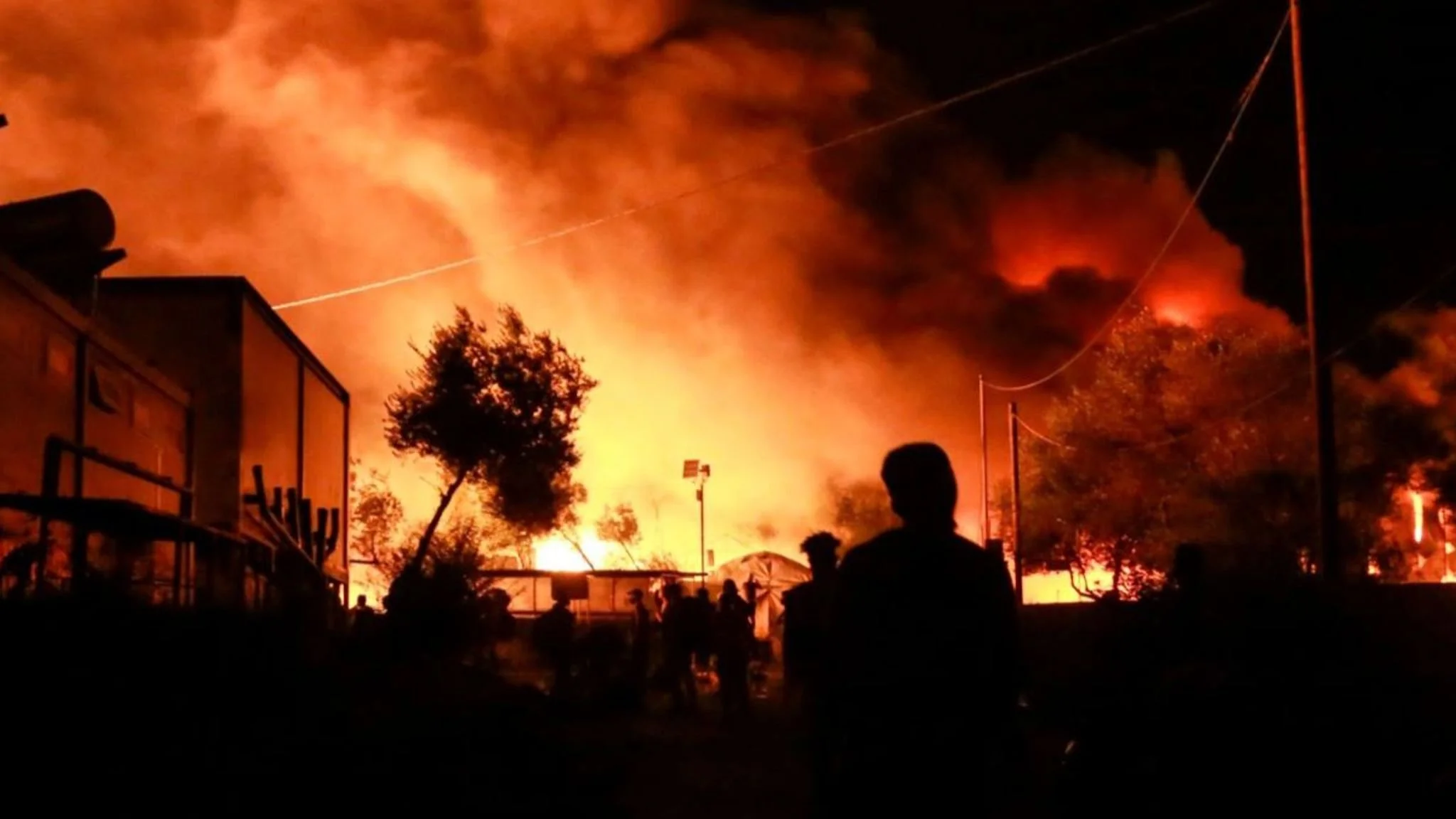
Global Displacement: A Human Story
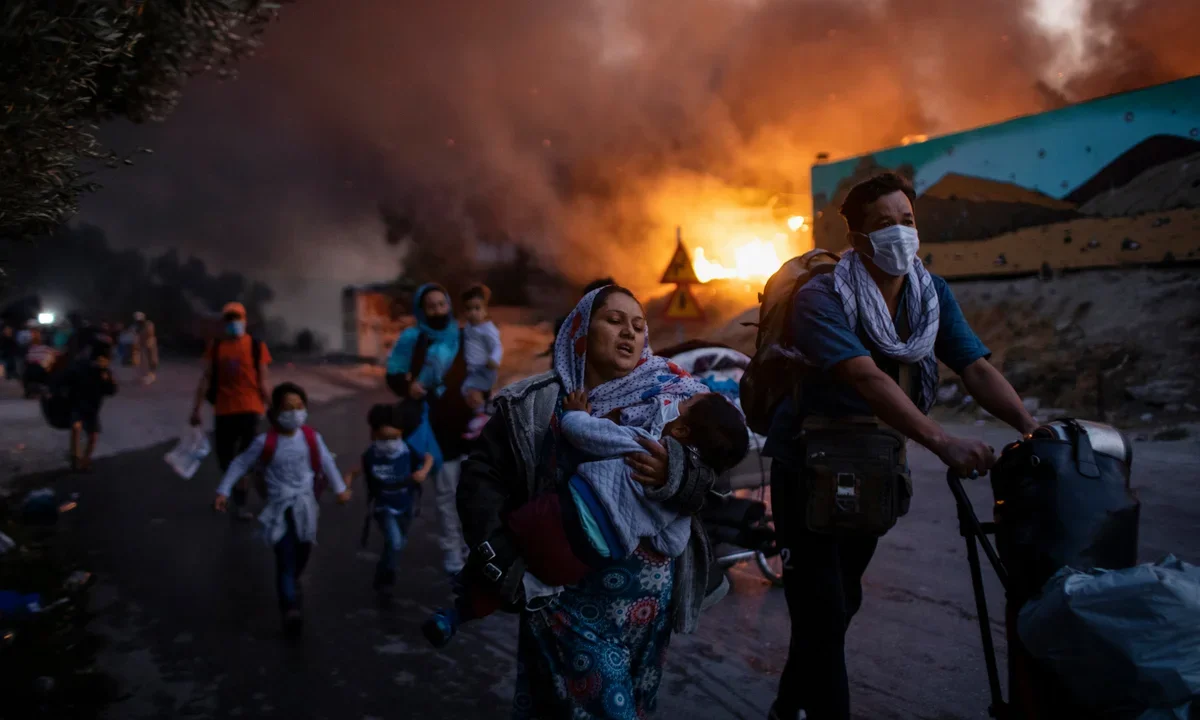
Imagine losing everything overnight—the homes, memories, and communities we cherish. Over 27 million refugees navigate urban landscapes, each with unique stories of resilience, hope, and the quest for belonging.
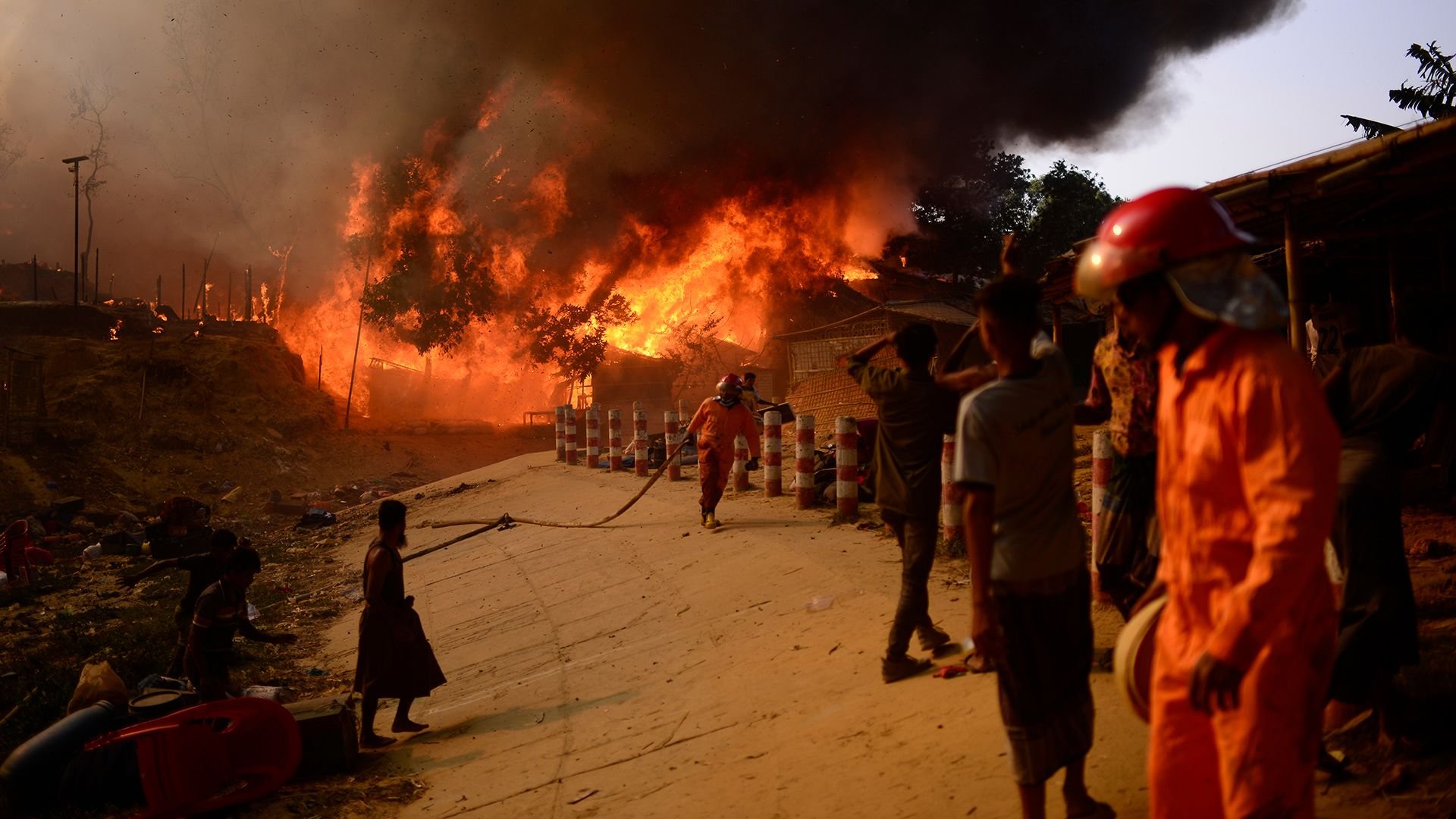
Each year, millions of people are forced to make split-second decisions about what matters most as they flee war, persecution, or natural disasters. The items they grab—a family photo, a favorite book, a passport—become symbols of lives interrupted and dreams put on hold. Behind the statistics are real stories of resilience, loss, and hope. Refugees often find themselves in unfamiliar countries, facing language barriers and uncertain futures, yet they carry with them not just the few belongings they could save, but also the determination to rebuild and the hope for a safer tomorrow. Their journeys challenge us to consider what it truly means to start over, and what we might do in their place.
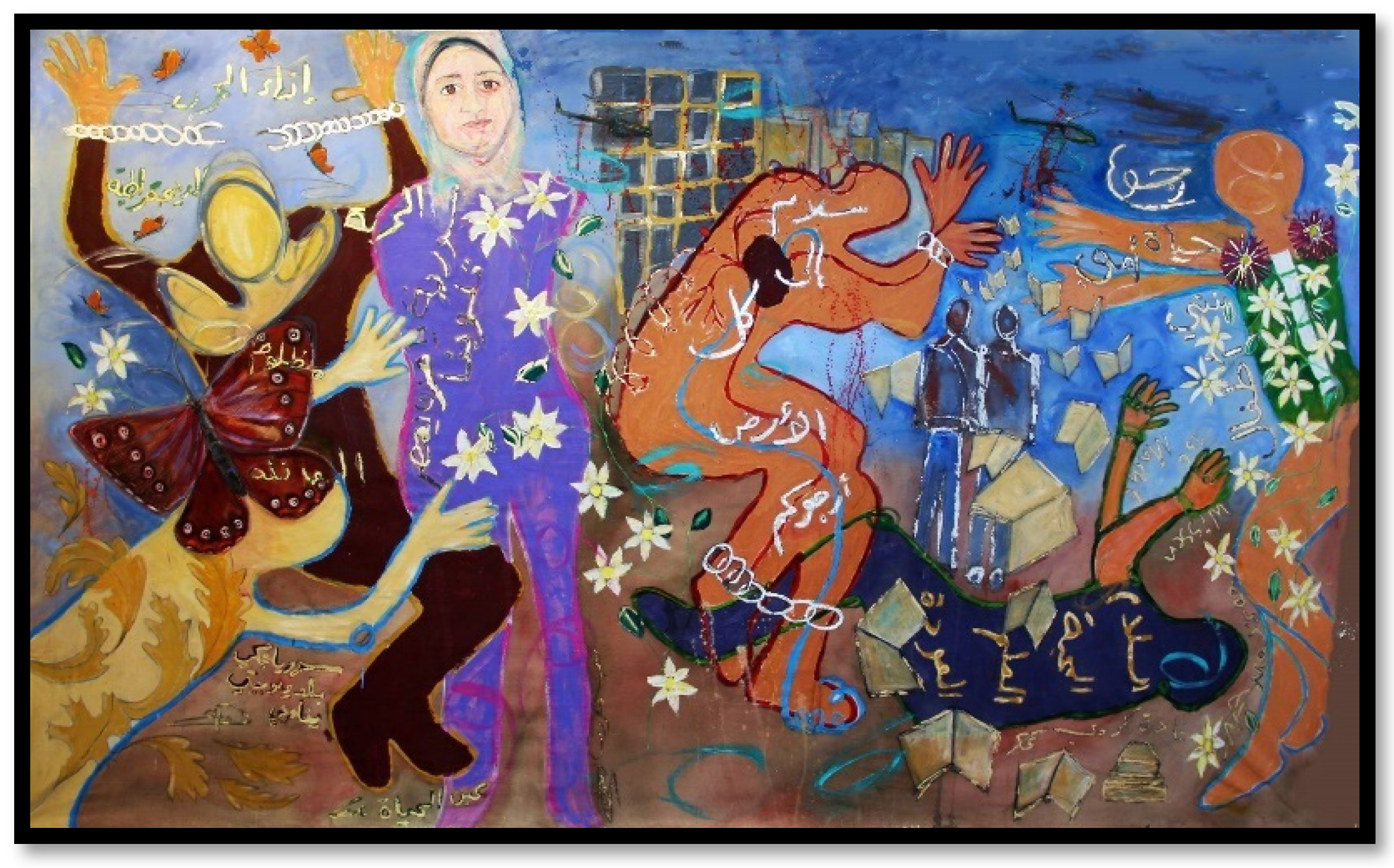
Anthropological Perspectives
Understanding Refugee Resilience
Resilience as Process
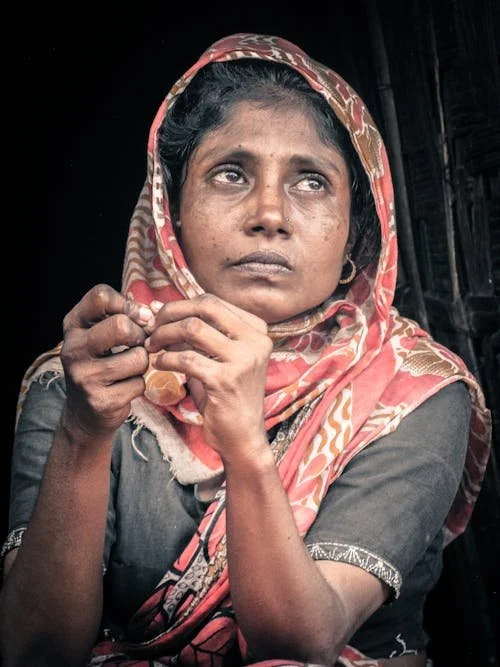
Refugees demonstrate remarkable resilience as they adapt to new environments, blending cultural practices with survival strategies while navigating challenges of displacement, showcasing human strength in the face of adversity.
Social Networks Reshaped
Forced migration significantly reshapes social networks, fostering new connections among refugees and local communities, which can enhance support systems and cultural exchange, enriching urban life for all involved.
Challenging Stereotypes
Viewing refugees solely as victims oversimplifies their experiences; many are active agents of change, contributing skills and cultural diversity that enhance social sustainability and community resilience in urban settings.
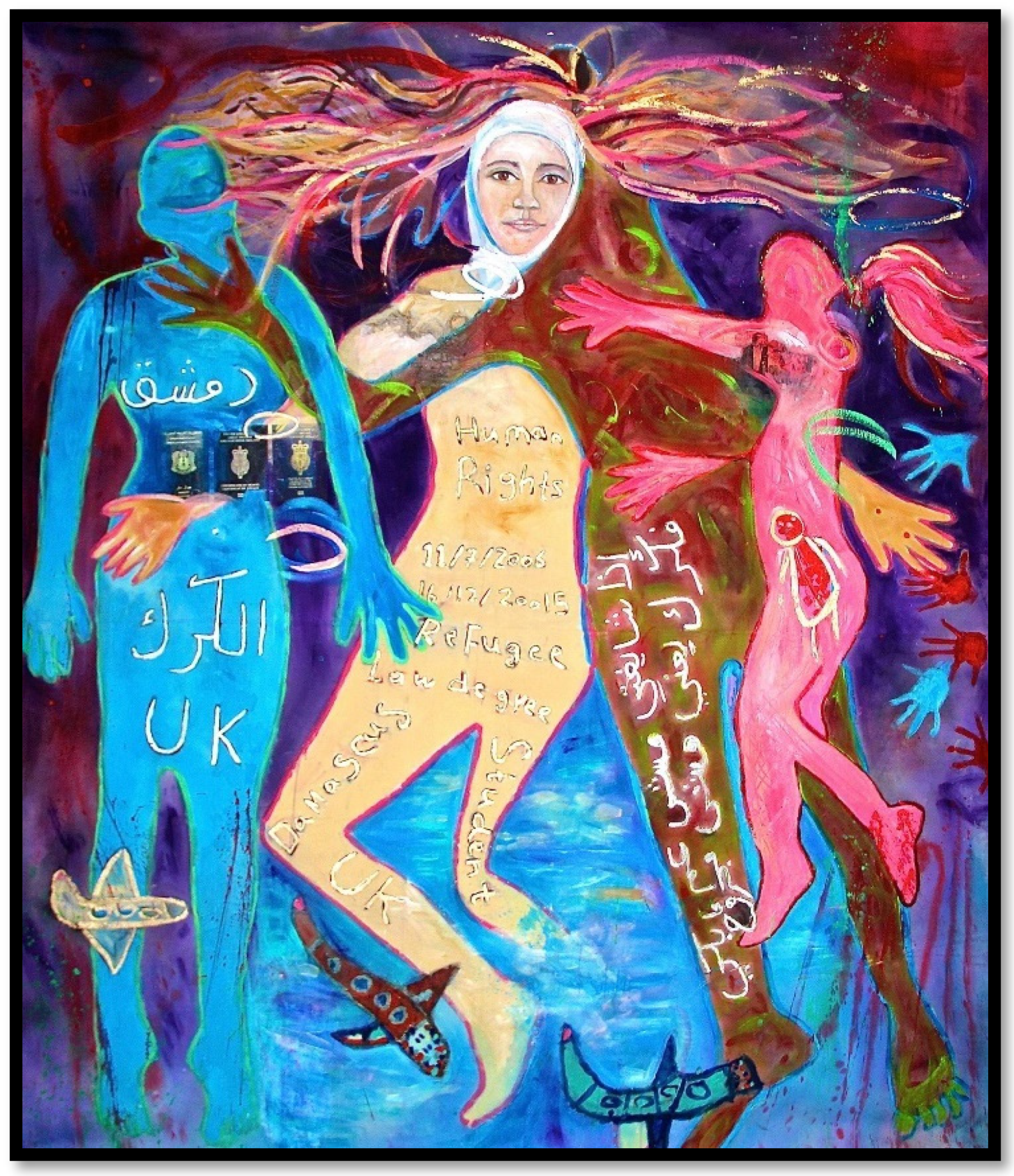
Refugees in Urban Systems
Understanding the multifaceted challenges and opportunities for refugees
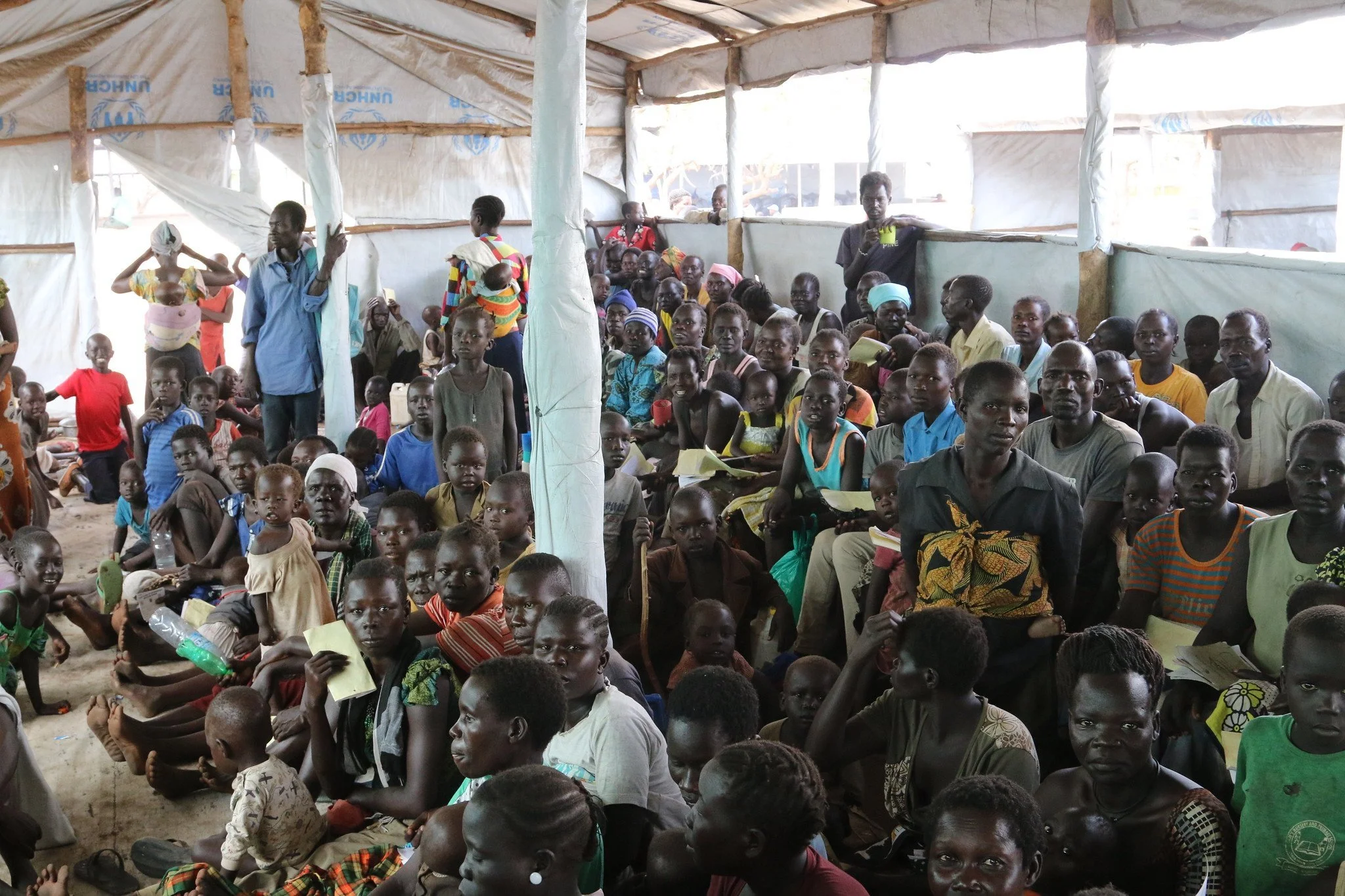
Equity & Human Rights
Refugees often face systemic barriers to accessing rights and services, impacting their ability to build stable lives in host cities.
Environmental Strain
The influx of refugees can lead to resource depletion, straining local environments and creating tension between communities over limited resources.
Economic Aid
Balancing humanitarian support with local economic needs is crucial to fostering sustainable livelihoods for both refugees and host populations.
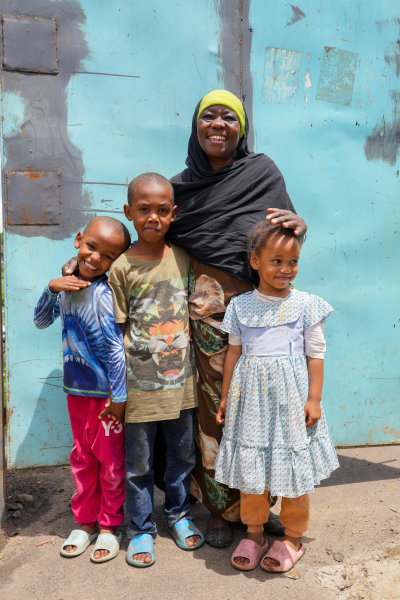
Showcasing Resilience
Pathways to Integration
Strategies for Urban Sustainability
Equitable Policies
Implementing inclusive governance ensures refugees have a voice in decision-making processes, fostering community trust and social cohesion in urban areas to promote peaceful coexistence and mutual support.
Collaborative Resource Management
Engaging refugees in sustainable resource management allows them to contribute their ecological knowledge, fostering a sense of belonging while addressing environmental challenges, ultimately benefiting both locals and newcomers alike.
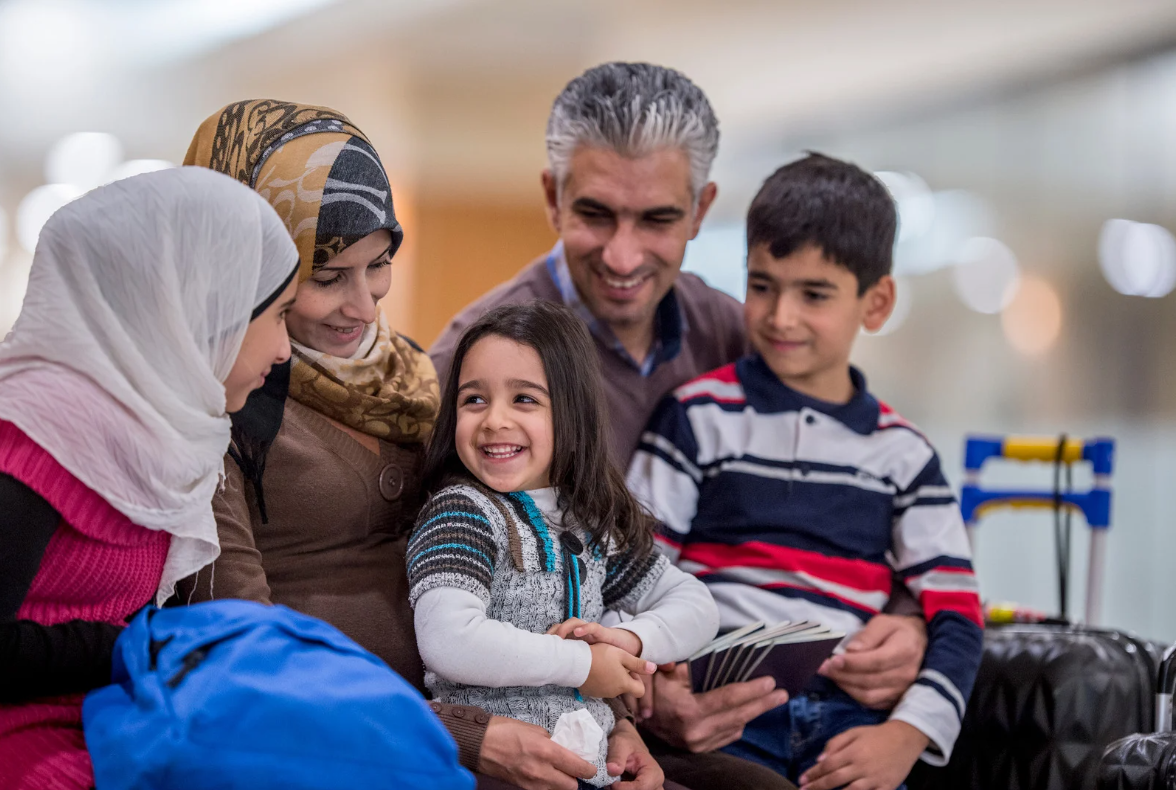
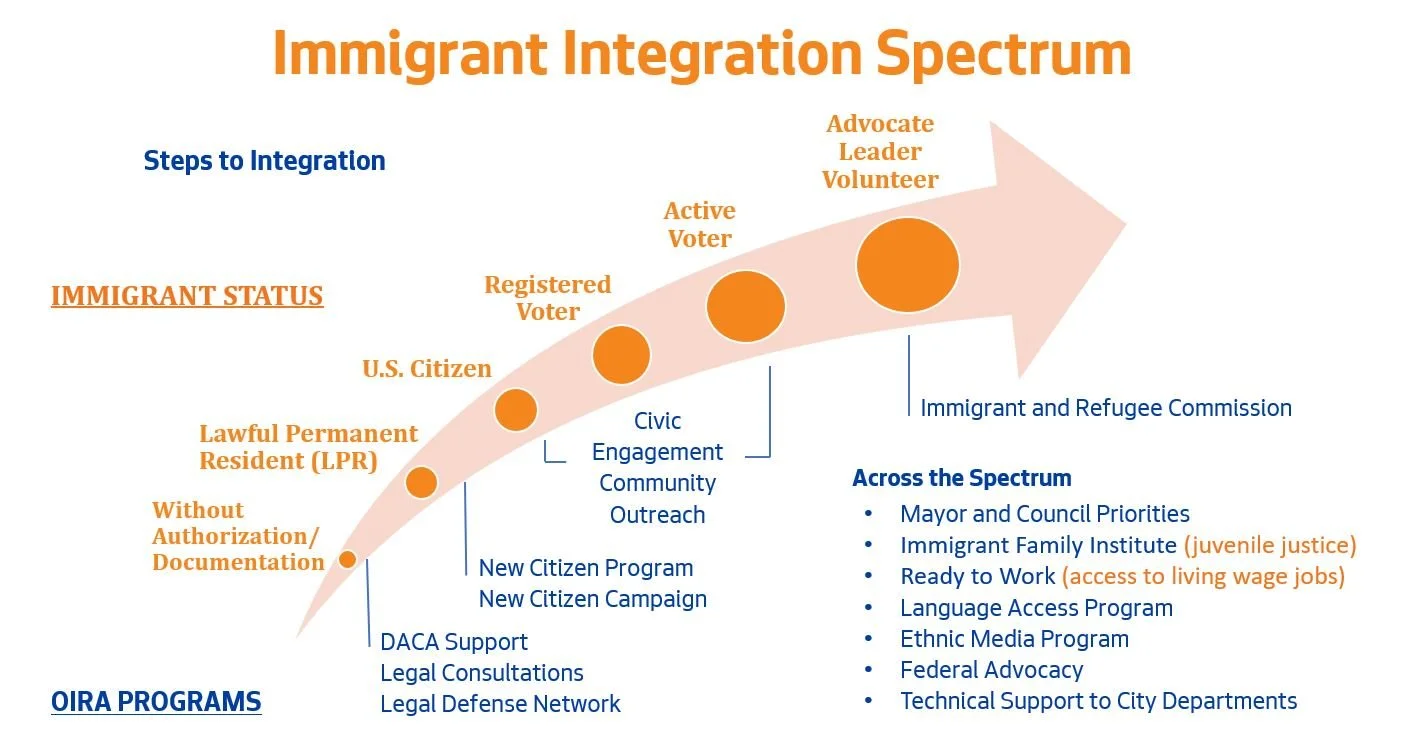
Economic Inclusion
Supporting entrepreneurship and skills development for refugees enables their participation in local economies, creating job opportunities that stimulate economic growth and promote integration for all community members.